
Why Does Plaster Crack?
Plaster is one of the most common finishes used on interior walls and ceilings. It provides a smooth, clean surface that can be painted or decorated, making it a popular choice for a wide range of projects.
But, it can be frustrating when plaster cracks, as this can spoil the otherwise aesthetically pleasing finish and undermine the quality of the work. Whether you’re redecorating an entire home or just giving one room a refresh, understanding why plaster cracks will help to avoid it from happening.
At Cuthberts of Edinburgh, we provide leading plastering services to customers in Stratford-Upon-Avon and beyond. In this article, we’ll take a closer look at the reasons why plaster cracks.
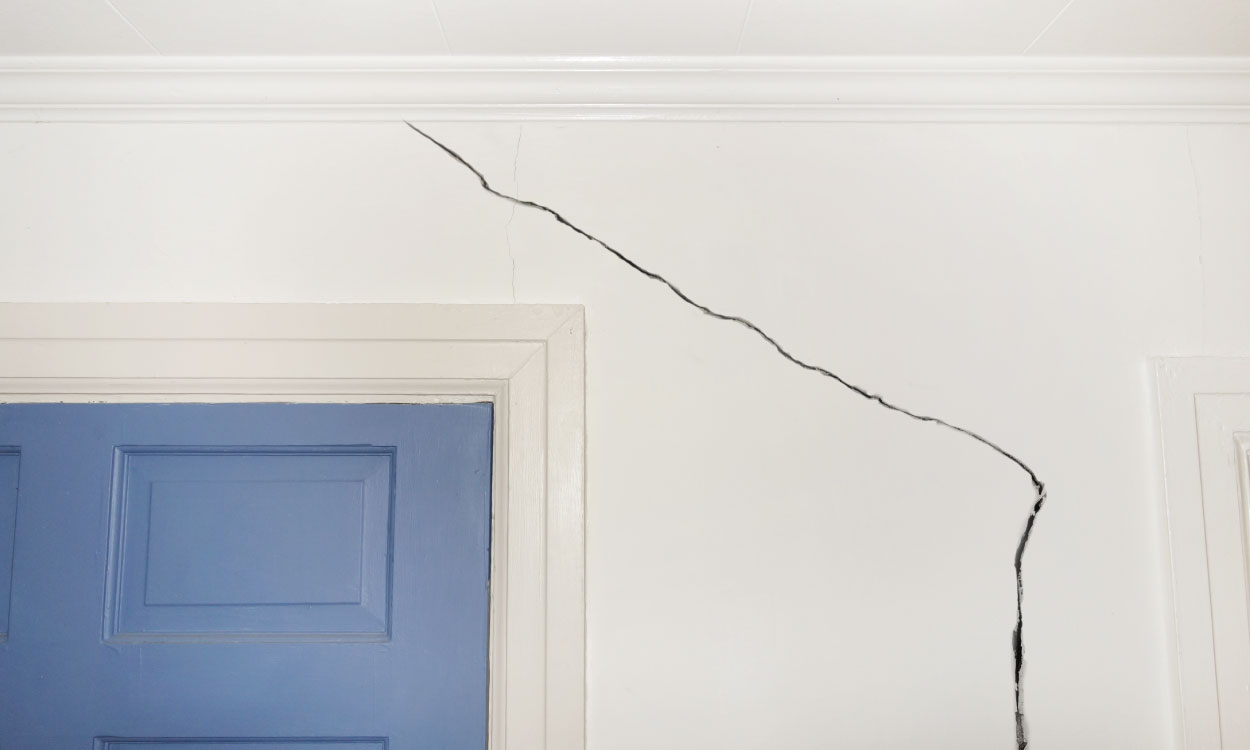
Why does plaster crack?
There are several reasons why plaster can develop cracks. This includes the following:
- Shrinkage of plaster: When plaster is first applied, it contains a lot of moisture. As the water evaporates, the plaster shrinks, but if this happens too quickly, it can start to crack.
- Dry shrinkage: After the plaster has set, further moisture loss will occur as the surface dries out. This can cause even more shrinkage, known as dry shrinkage. Over time, this can create cracks.
- Structural problems: Not all cracks will be down to the plaster itself. Sometimes, if a building shifts due to foundation movement or moisture expansion, cracks can occur.
- Debonding: If the plaster doesn’t adhere properly, then the bond can fail. This tends to happen when the inner layer and outer layer dry at different rates. A cavity in the wall will be created. If you tap the wall and it sounds hollow, this may be the issue.
- Grinning: This is when the outline of the underlying mortar joints becomes visible through the plaster. It can happen when there are differences in suction between the brick wall and the cement mortar used during the plastering.
- Lack of hardness: If the plaster mix was of poor quality, the plaster might be weak, which can cause it to crack.
- Popping: Sometimes plaster forms conical fragments that break out from the surface and leaving holes. This can happen if the mix has become contaminated.
- Plaster expansion: Moisture-related issues, such as wet wall coverings and high humidity, can cause the plaster to swell and expand. Over time, this can lead to cracking as the surface becomes weaker.
Why does plaster crack when it’s drying?
The drying phase is particularly important when it comes to plastering. If conditions are not right, cracking can happen as the plaster dries. Some of the most popular drying-related cracks include:
- Poorly mixed: If the plaster has not been mixed properly, like if it contains lumps or contaminants, the plaster may not set properly. This can create internal stress, which results in cracking.
- Direct sunlight: If plaster is left to dry in direct sunlight, it can dry too quickly. The surface may harden while the inner part is still moist, and this can cause shrinkage and cracks.
- Contact with wind: Continuous wind will speed up moisture loss, making the plaster dry too rapidly and unevenly. This might cause premature shrinkage and cracking.
- Moisture absorption: If the walls are too porous or dry, they can draw moisture out of the plaster too quickly. This uneven drying may cause surface fissures and cracks.
- Painting before the surface has dried: Painting or decorating a plastered wall too soon can trap the moisture inside. If there is no proper ventilation or time to fully dry, the trapped moisture will cause the plaster to crack or the paint to fail.
How to make sure plaster does not crack
Preventing plaster cracks is important and requires close attention before, during and after the application of the plaster. Here are some ways you can reduce the risk:
- Use quality paint: Ensure the right ratio of cement, sand and water in the mix and use quality material to minimise problems.
- Clean the surface first: Before plastering, make sure the surface is clean and free of any paint, dirt or debris.
- Apply in small layers: Thick plaster will dry unevenly, so applying multiple smaller layers is recommended.
- Avoid sun, wind or heat: Make sure there is no direct sunlight, strong winds or excessive heat that can cause the plaster to dry too quickly.
- Wait for the plaster to fully dry before painting: Make sure all moisture has completely left the plaster before you paint or decorate it.
If you’re planning a plastering or home renovation job, the best way to ensure you get a high-quality finish is to work with a professional team like Cuthberts of Edinburgh. today to get a free quote.
Contact UsThis website uses cookies to enhance your browsing experience and deliver personalised ads. By clicking “Accept All Cookies”, you agree to the storing of cookies on your device to enhance site navigation, analyse site usage, and assist in our marketing efforts.